
Essential Home Maintenance Tasks Every First-Time Homeowner Should Know
Home maintenance is the quiet responsibility that comes with owning a house, and for first-time homeowners, it can feel both unfamiliar and endless. A home is not just a place to live; it is a system of parts that age, shift, and respond to how well they are cared for. Understanding a handful of essential tasks early on helps prevent expensive surprises and builds confidence over time.
Core Insights
● Regular inspections catch small issues before they grow into costly repairs
● Seasonal tasks keep major systems running efficiently
● Simple DIY skills save money and help you understand your home better
● Organized maintenance builds long-term home value
Starting With the Systems That Matter Most
Every house relies on a few core systems to remain safe and livable: the roof, plumbing, electrical, and HVAC. For new homeowners, the challenge is not mastering everything at once but learning where problems tend to start. A loose shingle, a slow drain, or a flickering light can all signal deeper issues if ignored. By paying attention to these early warning signs, homeowners move from reactive fixes to proactive care.
Simple Maintenance Habits That Pay Off
Small, consistent actions often matter more than occasional big projects. The following habits are easy to build into your routine and prevent many common problems.
● Replace HVAC filters every one to three months
● Test smoke and carbon monoxide detectors regularly
● Clean gutters to prevent water damage
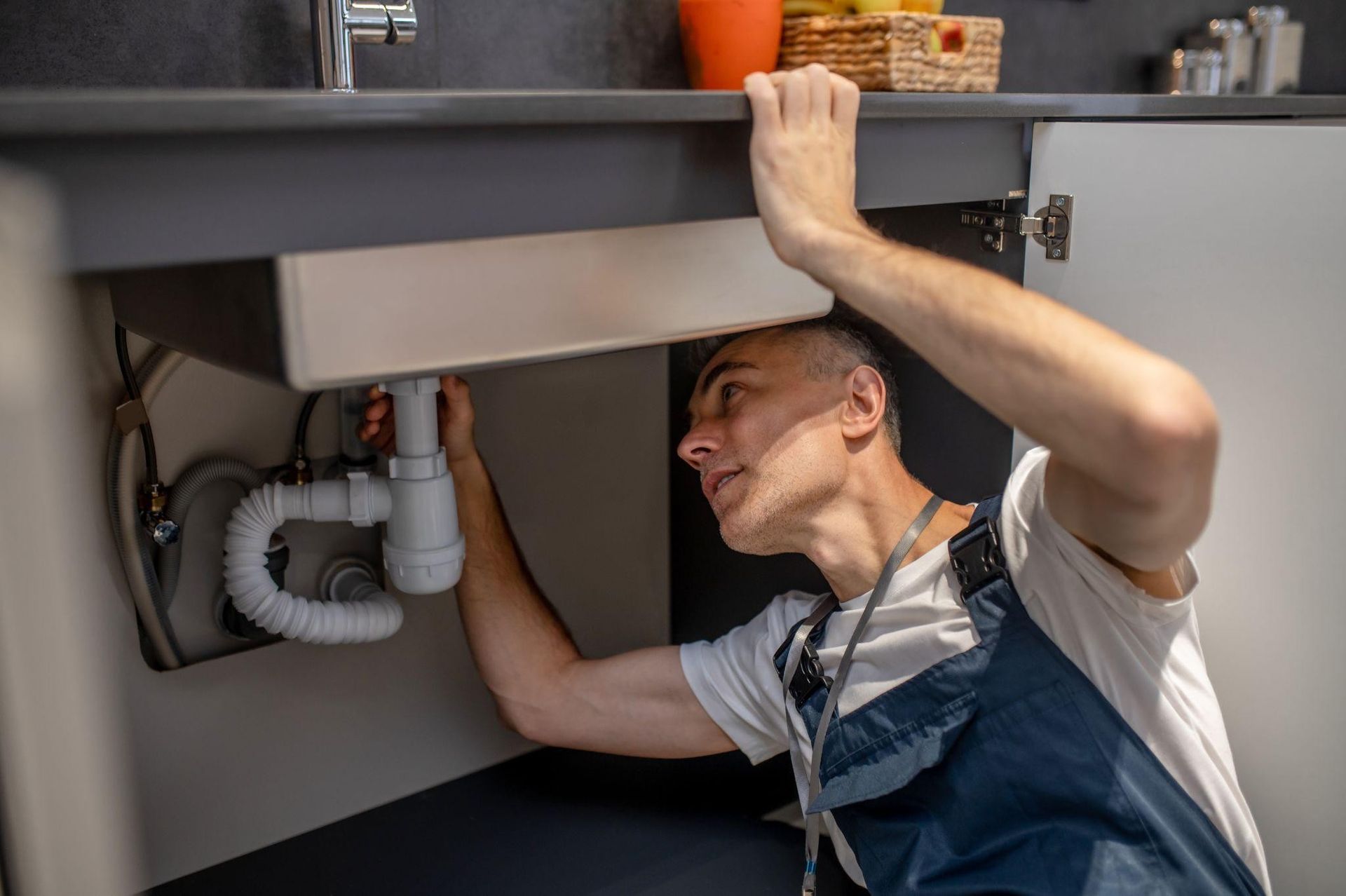
● Check for leaks under sinks and around appliances
Understanding Basic Electrical Fixes
Learning a few safe electrical basics gives first-time homeowners more control over minor issues. Knowing how to reset a tripped breaker or replace a worn light switch can quickly restore power without waiting for professional help. These tasks also help you recognize when a problem is beyond DIY and requires a licensed electrician. Before starting any electrical project, it’s important to use reliable components and tools from trusted electrical supply brands so repairs remain safe and durable. Choosing quality parts reduces the risk of overheating, loose connections, or repeated failures.
Some maintenance tasks are best handled at specific times of year. Thinking seasonally helps homeowners stay organized and avoid last-minute repairs during extreme weather. The table below outlines common tasks and when to address them.
| Season | Focus Area | Example Tasks |
|---|---|---|
| Spring | Exterior and drainage | Inspect roof, clear gutters |
| Summer | Cooling and safety | Service AC, check outdoor outlets |
| Fall | Weatherproofing | Seal windows, clean chimney |
| Winter | Prevention | Insulate pipes, test heating |
Tips for Staying Organized
Keeping track of maintenance is often harder than doing the work itself. A simple system helps you stay consistent without feeling overwhelmed.
● Create a basic maintenance calendar for monthly and seasonal tasks
● Keep a folder for manuals, warranties, and service records
● Note dates and outcomes of inspections or repairs
● Schedule reminders for recurring checks
Smart Decisions That Protect Your Investment
First-time homeowners sometimes delay maintenance to save money, but this often leads to higher costs later. Replacing a cheap seal now is far less expensive than repairing water-damaged flooring months down the line. Routine care also improves resale value, as buyers and inspectors notice well-maintained systems. Over time, these decisions shape a home that feels stable rather than fragile.
FAQs
Here are some common questions homeowners ask about maintenance and repairs.
How often should I schedule professional inspections?
Most homeowners benefit from an annual inspection covering major systems like roofing, HVAC, and plumbing. This creates a baseline for the home’s condition and identifies risks early. Over time, inspections become more targeted as you learn more about your house.
What maintenance tasks are safe to handle without professional help?
Tasks like changing filters, cleaning gutters, resetting breakers, and replacing fixtures are generally manageable with basic tools. The key is
following safety guidelines and stopping if something feels uncertain. Knowing your limits is part of responsible ownership.
How do I prioritize repairs when everything feels urgent?
Start with issues that affect safety, water intrusion, or structural integrity. These problems worsen quickly and are costly if delayed. Cosmetic fixes can usually wait.
Is it worth keeping a maintenance log?
Yes, a simple log provides clarity and saves time when issues repeat or when selling the home. It also helps professionals diagnose problems faster. Documentation turns guesswork into informed decisions.
When should I replace instead of repair?
If a system is near the end of its lifespan and repairs are frequent, replacement often makes more sense. Long-term costs and energy efficiency should guide the choice. A trusted professional can help compare options.
How does regular maintenance affect home value?
Well-documented upkeep reassures buyers and inspectors alike. It signals that the home has been cared for, not just lived in. This often translates into smoother sales and stronger offers.
Closing Thoughts
Home maintenance is less about perfection and more about attention. First-time homeowners who learn a few essential tasks early gain confidence and avoid costly setbacks. With steady habits and informed decisions, a house becomes easier to manage and more rewarding to own. Over time, maintenance shifts from a burden into a source of pride and stability.